Setting the Strategy for a Conservation Future
Structure, Targets, and Analysis
This page provides an essential look into the internal operational framework and strategic outlook of ERUDEF for the 2019-2023 period. It details the organizational structure and key departments responsible for implementing our programs, outlines the conservation targets we are committed to protecting, defines our strategy for stakeholder partnerships, and presents a critical Situational Analysis (SWOT) to understand the internal health and external pressures facing the organization.
Key Departments and Institutions
To effectively execute our dual mandate of conservation and sustainable development, ERUDEF is structured around specialized departments, offices, and semi-autonomous institutions. This framework ensures focused management, technical expertise, financial accountability, and strategic outreach across all areas of operation.
The organization operates through the following:
- Department of Conservation
- Department of Forestry
- Department of Agriculture
- Department of Administration
- Department of Finance
- Department of Communication
- Office of the President/CEO
- Office of the Executive Director
- Office of Policy
- Office of Programs
- Office of Development and Philanthropy
- Office of Professional Development
- Office of Budget
- Office of Accounting
- Office of Internal Control
- ERuDeF UK office
- US liaison Office
Semi-autonomous Institutions
These specialized centers allow ERUDEF to pursue specific long-term goals in training, social enterprise, and gender empowerment.
- ERuDeF Institute of Applied Biodiversity Sciences
- Social Business Division
- Centre for the Advancement of Women Initiative
General Conservation Targets
ERUDEF’s overarching commitment is to protect threatened biodiversity and restore fragile ecosystems across Cameroon. These targets guide the focus and resource allocation for all field programs, ensuring we safeguard both charismatic flagship species and the diverse habitats they depend on.
The specific conservation targets include:
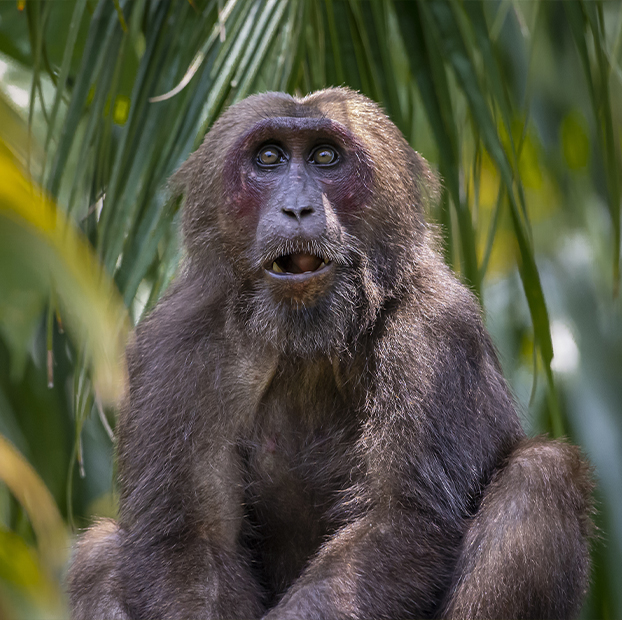
- Primates (including great apes like the Cross River Gorilla)
- Elephants
- Threatened Birds
- Reptiles and Amphibians
- Forest
- Savanna
- Indigenous populations
- Local communities
- Corridors
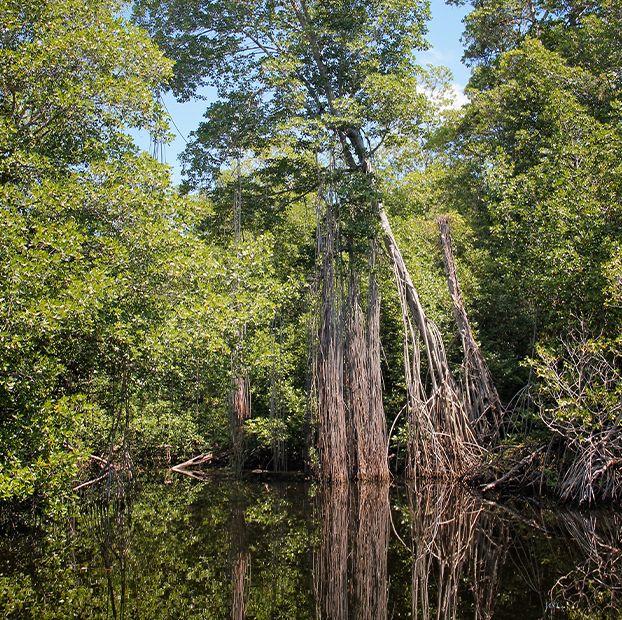
- Mangroves
- Water catchment
Stakeholders Partnership and Development
Our strategy recognizes that conservation success depends on strong alliances. ERUDEF’s approach is to actively harmonize its activities with those of public, private, and civil society partners at all levels. Our strategic role is to serve as a hub of expertise, providing practical and up-to-date knowledge and a data repository from our core research areas, while promoting robust conservation activities on the ground. We value the contribution of international collaborators and use scientific engagement to consolidate our global reputation.






Situational Analysis (SWOT)
The Situational Analysis provides a critical assessment of ERUDEF’s environment, identifying internal characteristics (Strengths and Weaknesses) and external factors (Opportunities and Threats) that influence our capacity to achieve the strategic goals.
Strengths
These are the core internal advantages that ERUDEF leverages for successful program implementation.
Weaknesses
These are the internal limitations that ERUDEF must address to improve efficiency and scale.
Opportunities
These are the favorable external conditions that ERUDEF can exploit to expand its reach and impact.
Threats
These are the significant external hazards that could undermine ERUDEF’s conservation efforts and require proactive mitigation strategies.
Our programs provided food, education, and healthcare to over one million people in need.
With donor and volunteer support, we’ve provided millions of meals to fight hunger.
Safe schools and shelters now give children a brighter future.