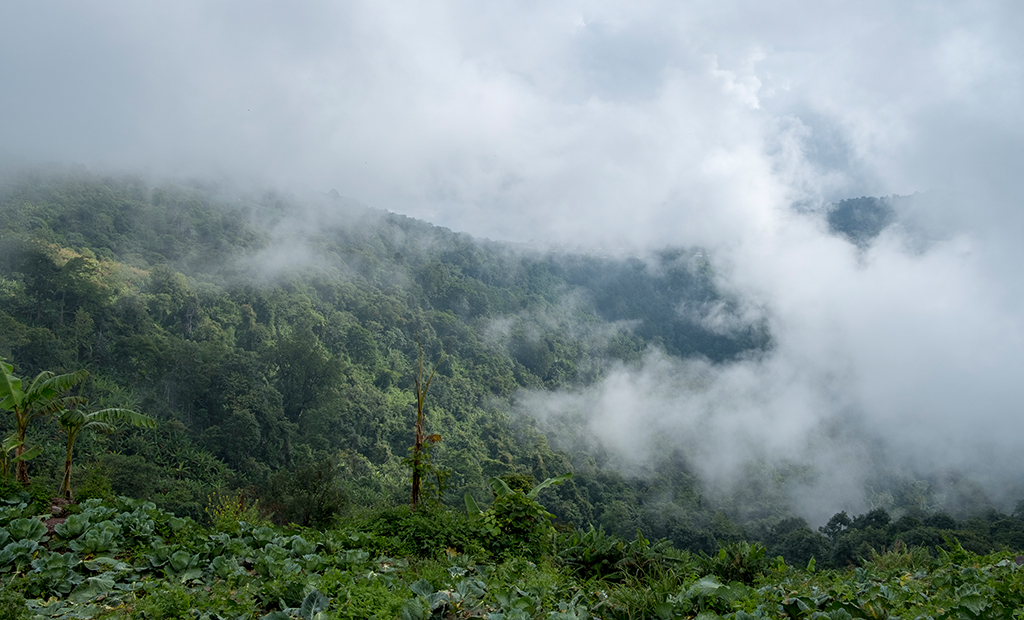
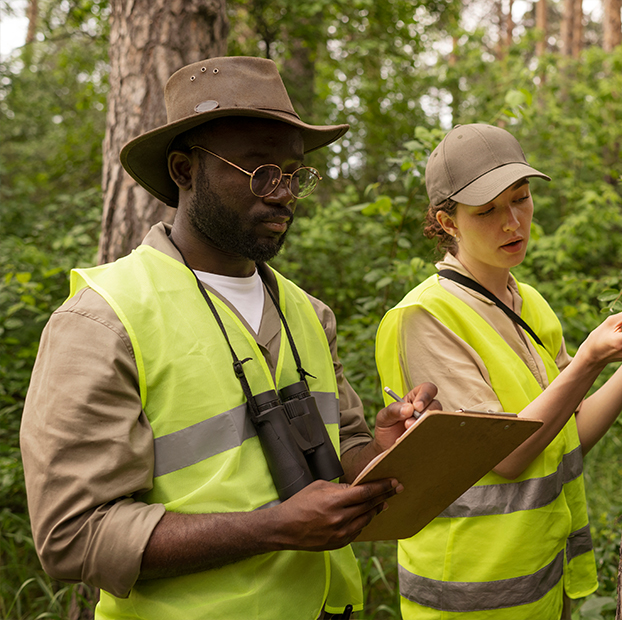
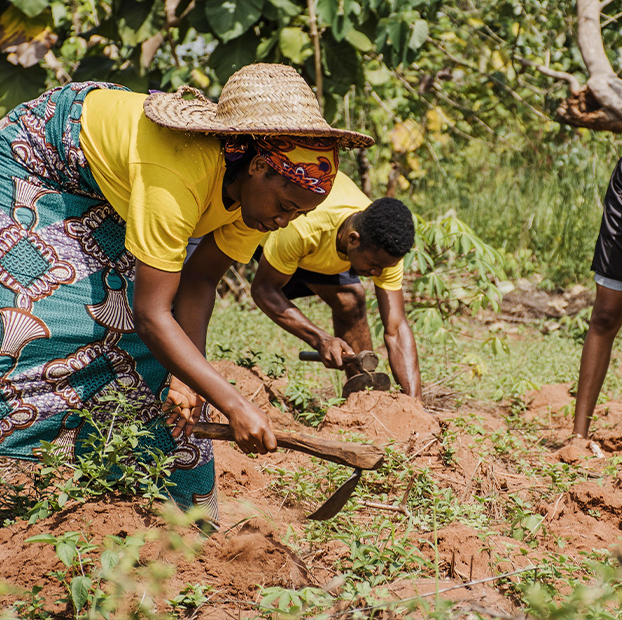
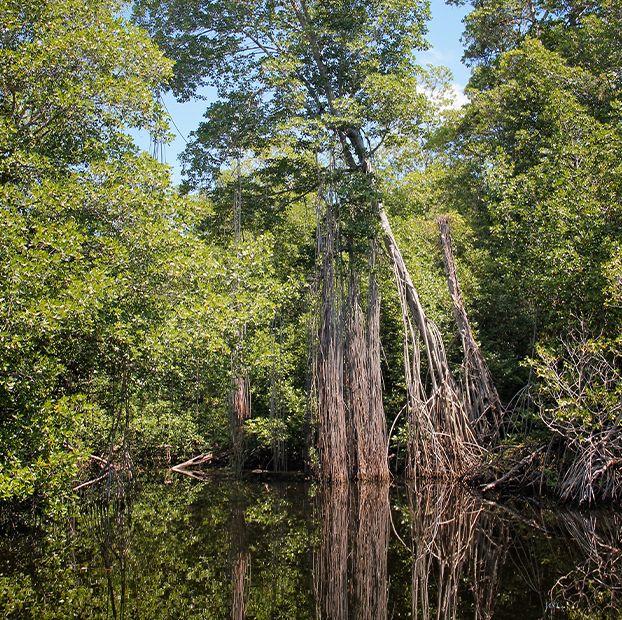
The Department of Conservation serves as the backbone of the organization, driving ERUDEF’s primary mission to protect threatened species and vital ecosystems across Cameroon and the Central Africa sub-region.
It operates through five core programs, utilizing a science-driven, collaborative approach to establish and manage protected areas, monitor wildlife populations, and promote long-term environmental sustainability in partnership with local communities.
Introduction
The Department of Conservation manages five key programs vital to the organization’s mission: Creation and management of protected areas, Research and Biomonitoring, Education for Sustainable Development, Conservation corridor management initiative, and Planning advocacy and development.
Vision
The Department’s Vision is to achieve a future with healthy forests and wildlife where all people live in harmony with nature.
Mission
The Department of Conservation has as mission to promote the long term conservation of threatened biodiversity species in Africa.
These descriptions detail the specific, quantifiable, and time-bound commitments the department is focused on achieving. They translate the broader goals and objectives into definitive, actionable outcomes that are used to track progress and measure the overall impact of the strategic plan.
Protected Areas Management
Seek to support the efforts of the Government of Cameroon to create and manage a system of protected areas across key biodiversity areas of Cameroon, aiming to create 6 protected areas by 2023.
Research and Bio-monitoring
Seek to save the last globally threatened species of biodiversity through research and biomonitoring in their range habitats, aiming for 75% of threatened wildlife species in key protected areas to be known by 2023.
Threat Reduction and Education
Seek to reduce anthropogenic threats, increase wildlife population, and promote environmental sustainability through mobilization, education, and training. This aims for knowledge of 60% of the population within ERuDeF sites to be improved, anthropogenic threats reduced by 60%, and wildlife populations increased by 10% by 2023.
Conservation Corridors
Seek to ensure genetic connectivity between protected areas within ERuDeF’s Areas of intervention, aiming for genetic connectivity to have increased by 30% by 2023.
Planning, Advocacy, and Development
Seek to support a successful planning, advocacy, and development for sustainable management of protected areas, aiming for 6 Management Plans of Protected Areas developed and implemented.