The Department of Forestry is dedicated to the holistic protection and sustainable management of Cameroon’s vital forest resources, addressing both environmental integrity and the socio-economic well-being of local communities.
The department implements a multi-faceted approach encompassing community involvement, conservation of threatened tree species, and large-scale ecosystem restoration. It currently coordinates major programs like the Mount Bamboutos Initiative (MBI) and plans to expand activities across seven key designated landscapes in six regions, utilizing innovative management, training, education, and livelihood sustainability initiatives.
Introduction
The Department of Forestry has five core programs: community forestry, forest governance, conservation of threatened trees, REDD+, and restoration of degraded landscapes. The department currently coordinates and manages the Mount Bamboutos Initiative (MBI) 15-year program, the DRYAD project, and various community forestry projects. It plans to expand across seven ERuDeF landscapes (including Mount Bamboutos, Lebialem highlands, and Mount Cameroon) in six regions.
Vision
To create community forests and monitor their sustainable management, ensure the protection and conservation of threatened tree species, restore hundreds of thousands of degraded mountain and highland landscapes, and fully engage local communities in sustainable forest management in Cameroon through community-led projects and programs.
Mission
To contribute towards ensuring the protection and sustainable management of forest resources and improvement of socio-economic wellbeing of local communities in Cameroon through innovative forest management and conservation approaches, training, education, livelihood sustainability, and participative actions.
These descriptions detail the specific, quantifiable, and time-bound commitments the department is focused on achieving. They translate the broader goals and objectives into definitive, actionable outcomes that are used to track progress and measure the overall impact of the strategic plan.
Fundraising & Partnerships
Target 5,000,000,000 FCFA to run projects in seven landscapes.
Tree Planting & Restoration
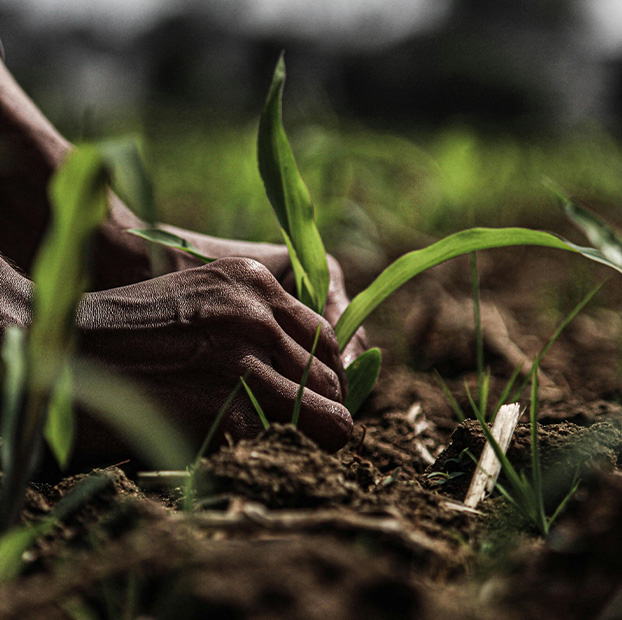
Coordinate and supervise the planting of 50,000,000 trees across seven landscapes within five years (2020–2024).
Community Forestry
Aim for the creation of ten (10) new community forests in the seven landscapes in five years.
Livelihoods Development
Improve the livelihoods of at least 10,000 smallholder farmers through increased tree crop production, improved diversified nutrition, and value chain development.
Training
Train and mentor 60 interns to build a professional database of young experts.